
Oregon golf has a powerful sense of place.
At Bandon, golf feels like it was discovered in the dunes. In Bend, it feels carved from high desert, lava rock, and mountain light. Near Portland, tournament history adds another layer, including one of Tiger Woods’ most important amateur milestones.
Here are 10 Oregon holes and places that help explain why Northwest golf has become a bucket-list category of its own.
1. Pacific Dunes No. 11 — The Cliffside Par 3
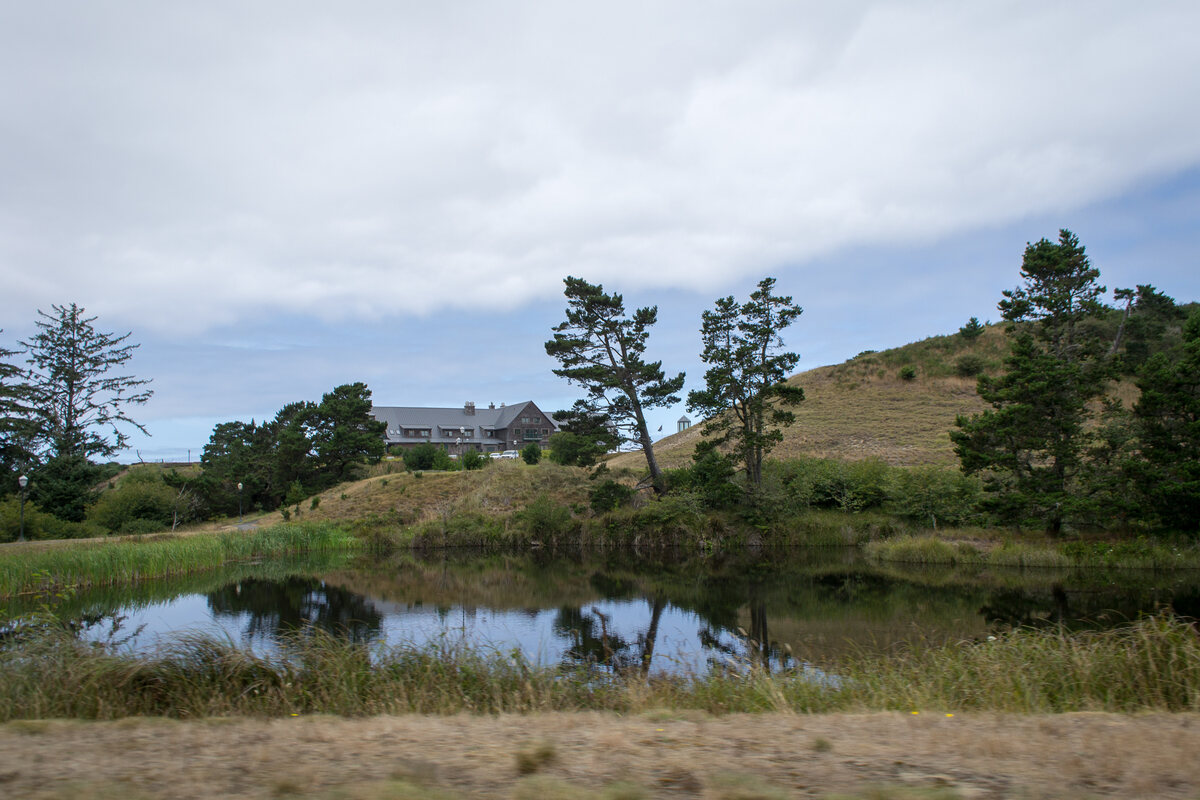
Photo: Visitor7, CC BY-SA 3.0, via Wikimedia Commons. Resort view, not the exact hole.
Pacific Dunes’ 11th is one of the most photographed and talked-about holes at Bandon Dunes Golf Resort. Bandon’s own blog has described Pacific Dunes No. 11 as a perfect example of the resort’s short-hole magic, and PGA.com recently highlighted Bandon’s iconic holes across the property.
Why it belongs: It is everything people imagine when they picture Bandon: wind, ocean, cliff, and a short iron that suddenly feels heavy.
2. Bandon Dunes No. 16 — The Original Course’s Coastal Punch
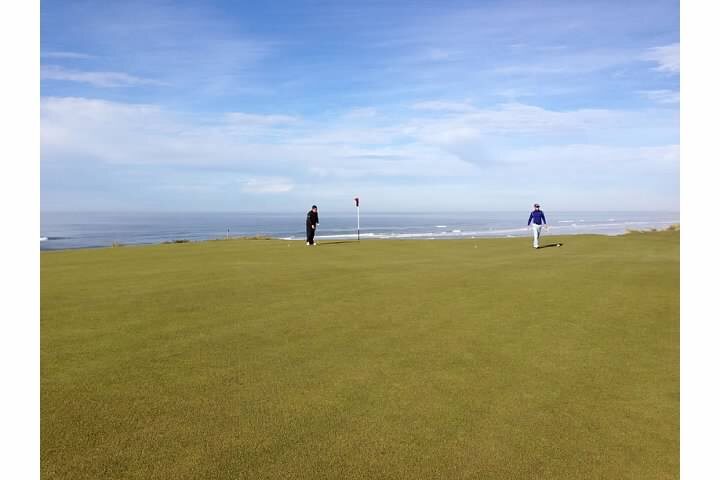
Photo: Mwlloyd1216, CC BY-SA 4.0, via Wikimedia Commons.
The original Bandon Dunes course, designed by David McLay Kidd, sits on a bluff high above the Pacific Ocean. The resort says nature laid the blueprint for what became one of golf’s iconic courses.
Why it belongs: No. 16 captures the original Bandon feeling: simple, exposed, beautiful, and demanding.
3. Bandon Dunes No. 6 — The Long Par-3 Test
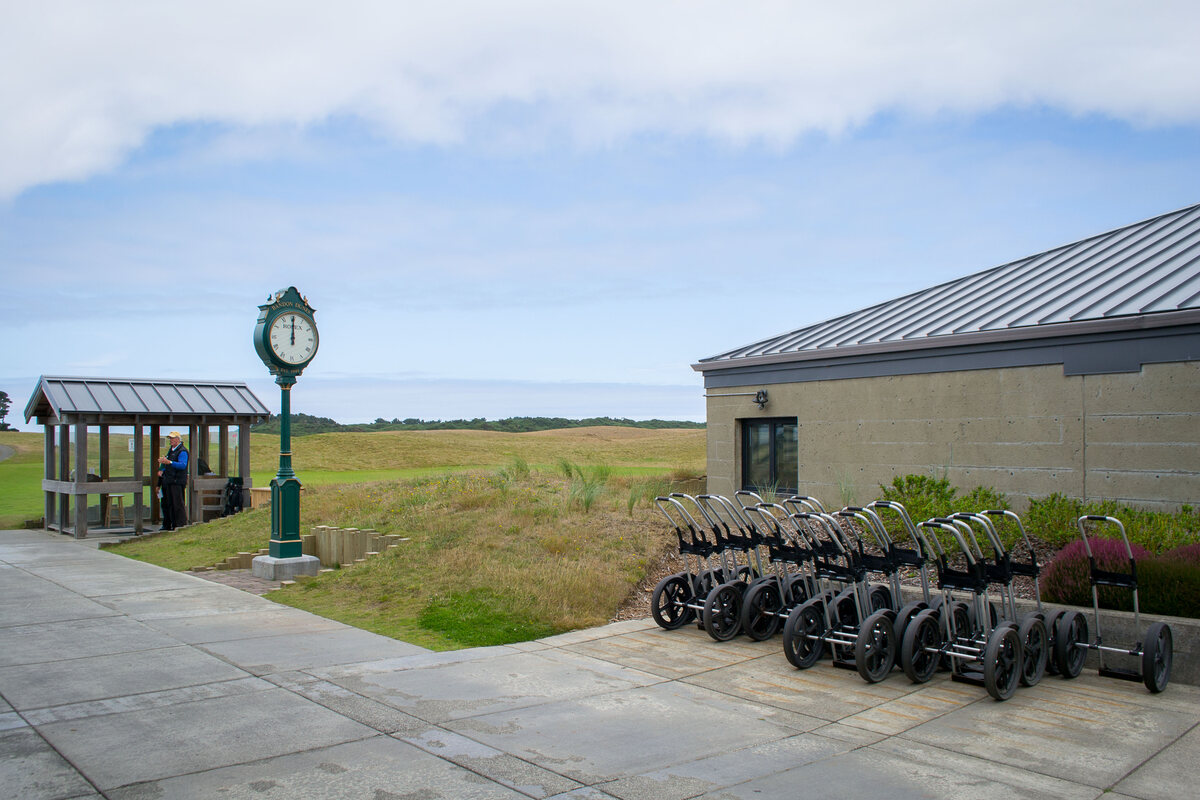
Photo: Visitor7, CC BY-SA 3.0, via Wikimedia Commons. Resort view, not the exact hole.
The sixth at Bandon Dunes is a long par 3 that plays against the prevailing wind and demands more club than the yardage suggests. The resort’s hole-by-hole guide warns about the deep left bunker and notes that missing right leaves a more manageable recovery.
Why it belongs: It is a reminder that at Bandon, even a “miss” has to be chosen carefully.
4. Pacific Dunes No. 13 — The Walk You Remember
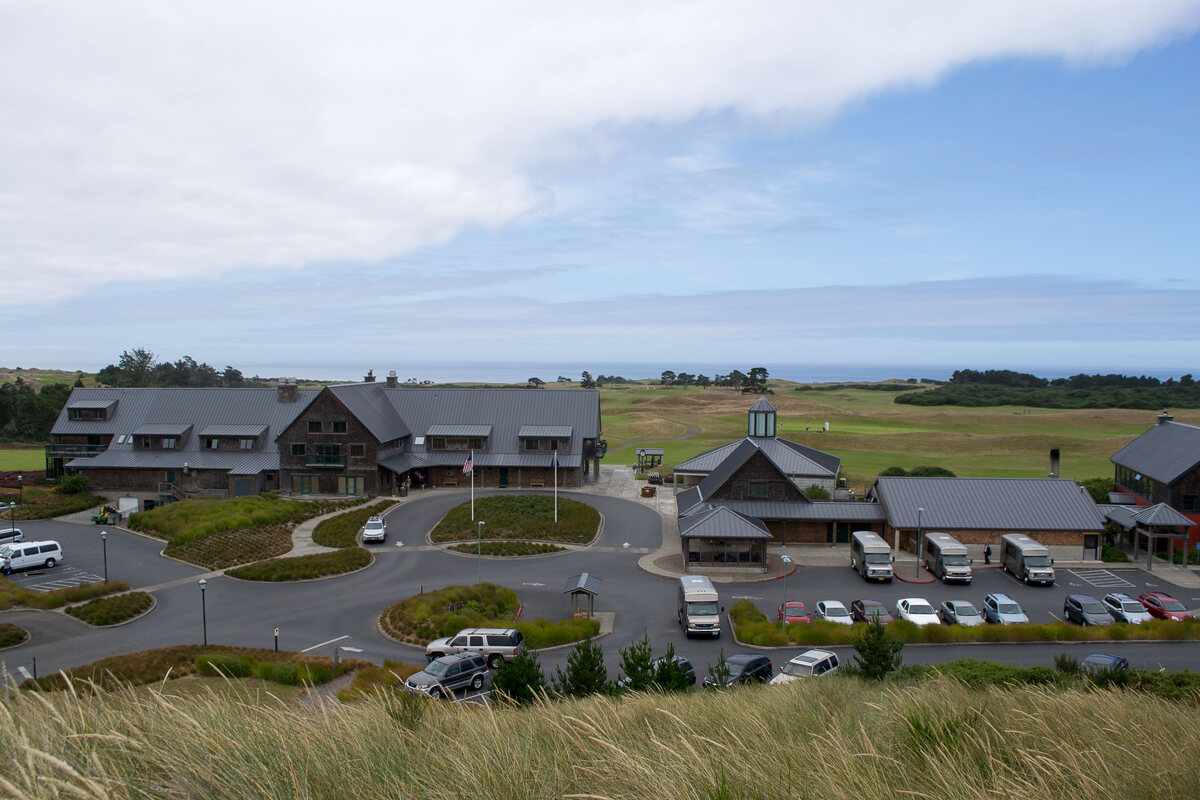
Photo: Visitor7, CC BY-SA 3.0, via Wikimedia Commons. Resort view, not the exact hole.
Pacific Dunes has several holes where the ocean becomes more than a backdrop. The resort describes Bandon Dunes Golf Resort as seven distinct links courses built on sand dunes perched about 100 feet above the Pacific Ocean.
Why it belongs: Some holes are famous because of a single shot. Others are famous because every golfer stops walking for a second and just looks around.
5. Sheep Ranch No. 16 — Edge-of-the-Continent Golf
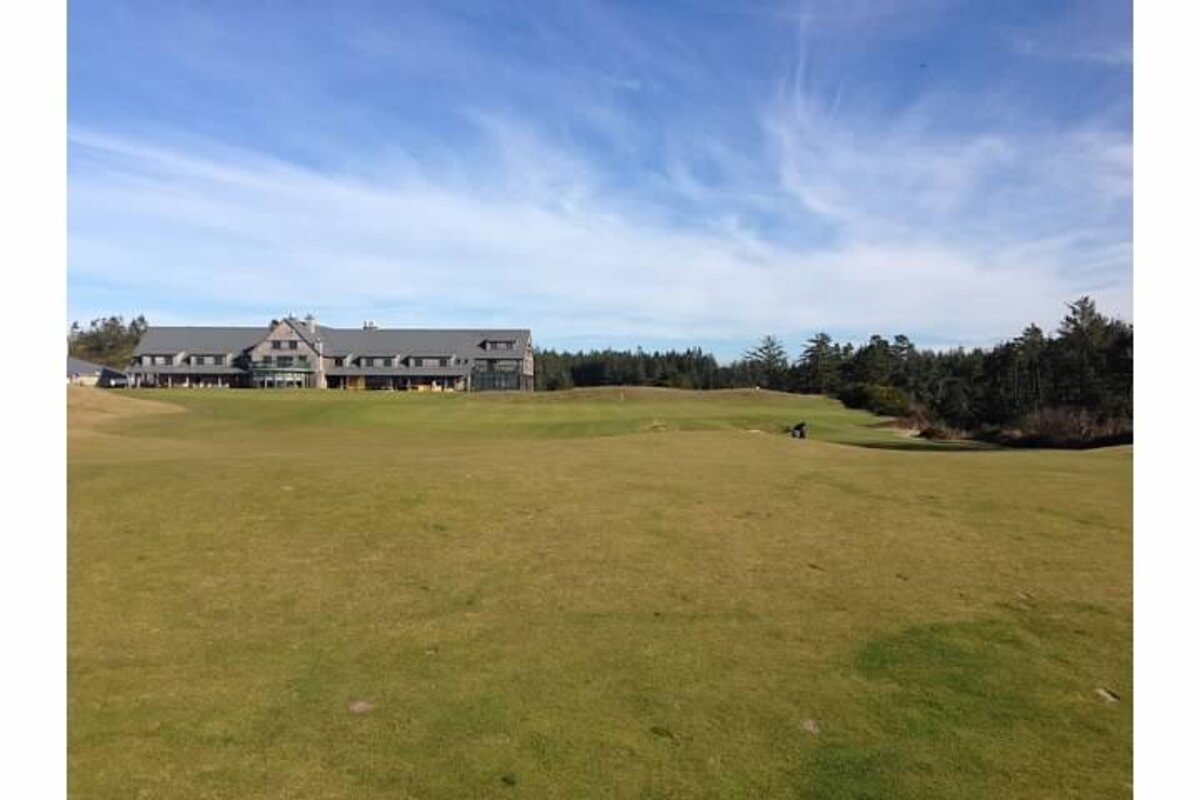
Photo: Mwlloyd1216, CC BY-SA 4.0, via Wikimedia Commons. Bandon Dunes Resort, not the specific Sheep Ranch course.
Sheep Ranch gives Bandon another kind of drama. The resort says the course has a mile of ocean frontage, nine green sites along the edge of the continent, and Pacific Ocean views on every hole.
Why it belongs: Sheep Ranch No. 16 is the kind of par 3 that feels more like a postcard than a scorecard.
6. Bandon Preserve No. 13 — A Short-Course Finish with a Big View
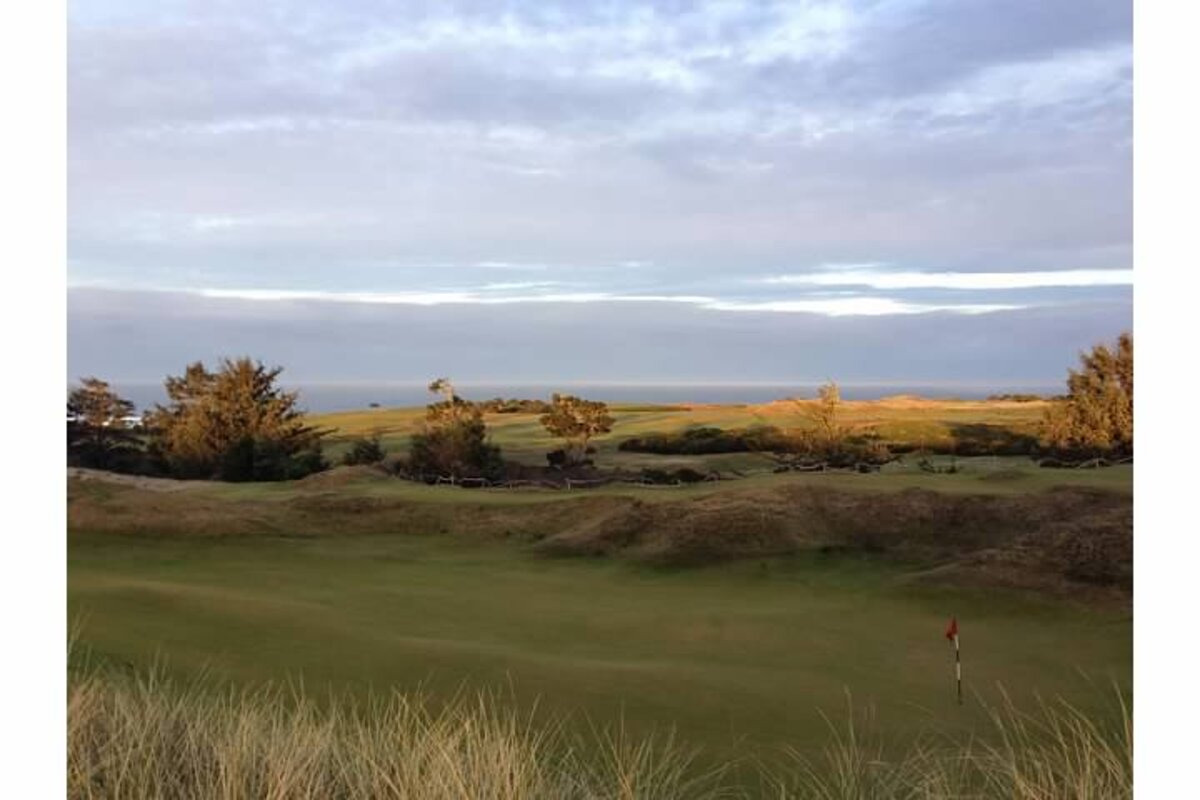
Photo: Mwlloyd1216, CC BY-SA 4.0, via Wikimedia Commons.
Bandon Preserve is a 13-hole par-3 course designed by Bill Coore and Ben Crenshaw. The resort says it opened in 2012, begins high atop a sand dune, and rolls down toward the beach.
Why it belongs: It proves famous golf does not have to be long. Sometimes the most fun hole is the one everyone wants to play again.
7. Old Macdonald No. 3 — The “Sahara” Idea
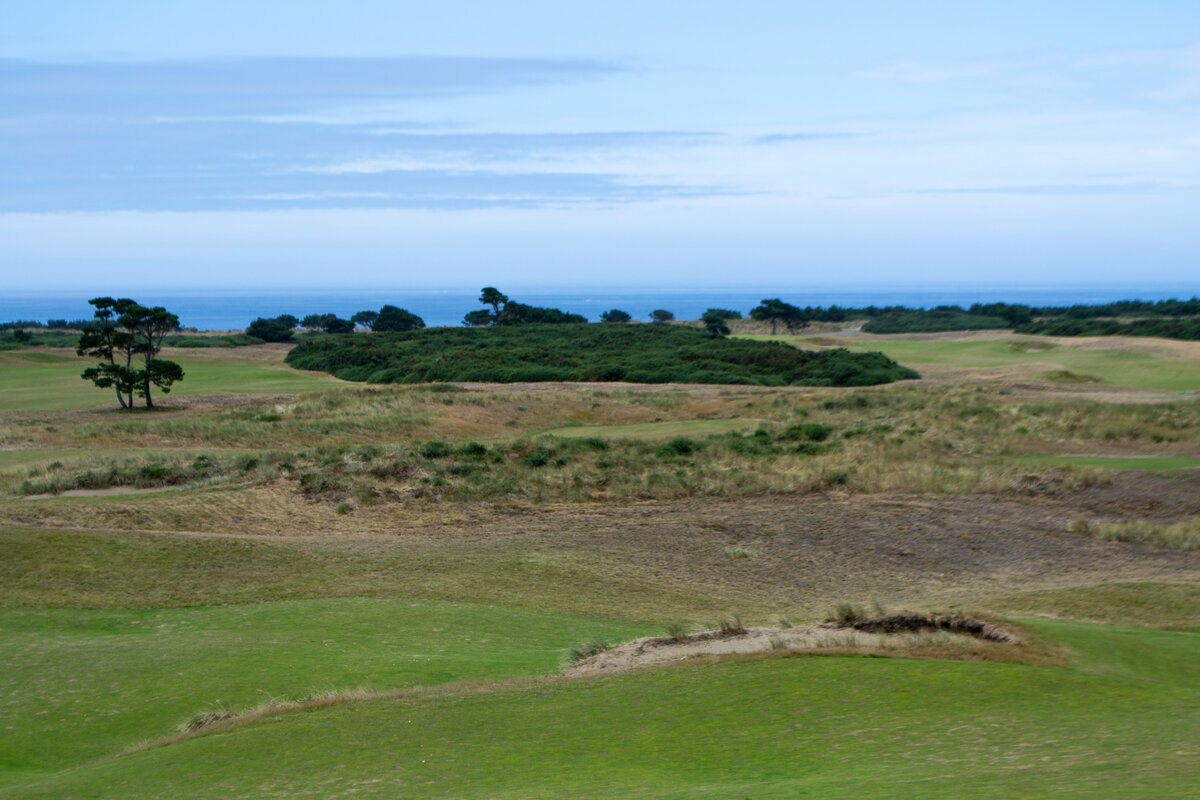
Photo: Visitor7, CC BY-SA 3.0, via Wikimedia Commons. Resort view, not the exact hole.
Old Macdonald was built as a tribute to classic golf architecture, with template-hole inspiration throughout the routing. Tom Doak’s hole-by-hole notes describe the third, “Sahara,” as a short par 4 up and over a huge dune ridge.
Why it belongs: It gives Oregon golf a direct connection to the old ideas that shaped the game.
8. Bandon Trails No. 2 — Into the Meadow and Trees
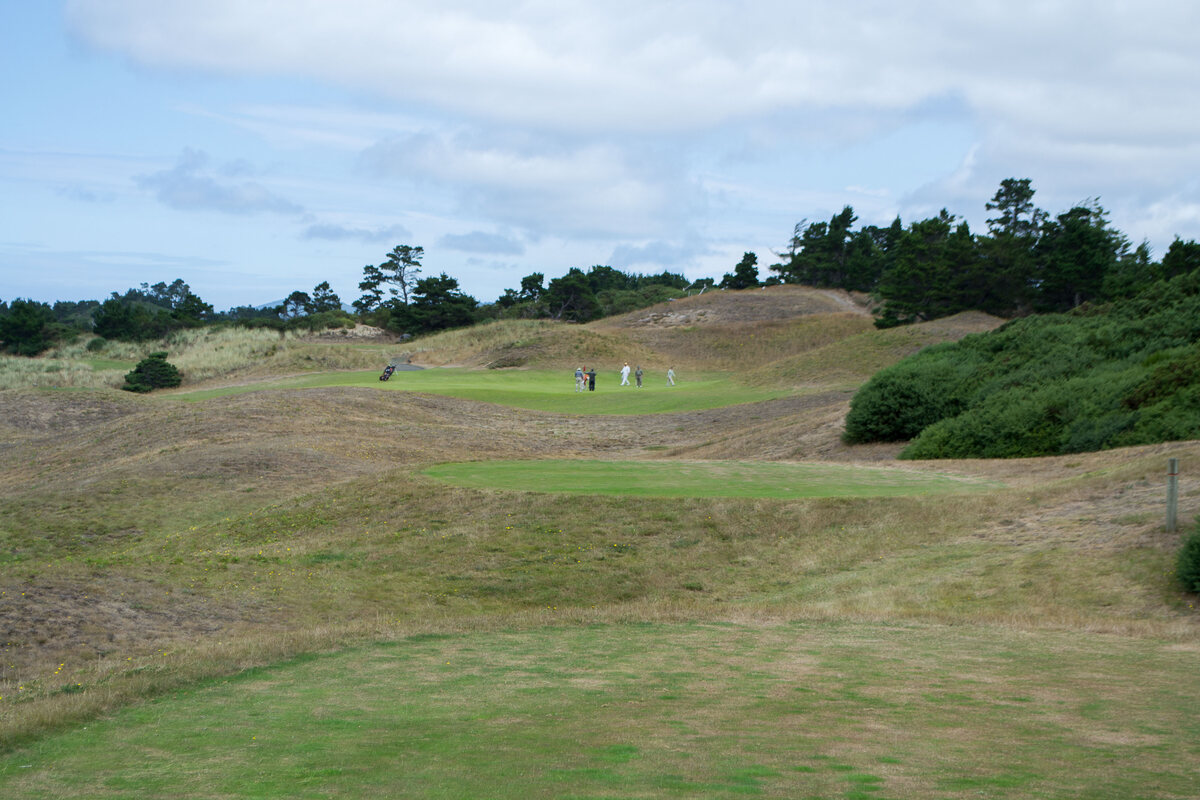
Photo: Visitor7, CC BY-SA 3.0, via Wikimedia Commons. Resort view, not the exact hole.
Bandon Trails offers a different experience from the resort’s oceanfront courses. The resort says the course begins atop a massive sand dune, opens into a sprawling meadow, and then moves into coastal forest.
Why it belongs: It shows that Bandon is not just ocean golf. It is a full landscape.
9. Tetherow No. 17 — High-Desert Links in Bend

Photo: Tetherow, used with permission.
Tetherow in Bend was designed by David McLay Kidd and is described by the resort as a visually striking par-72 layout. The course connects Oregon’s high-desert golf scene back to the architect of the original Bandon Dunes.
Why it belongs: It gives the series a Bend chapter: firm, rugged, stylish, and very different from the coast.
10. Pumpkin Ridge Witch Hollow — Tiger’s Amateur Turning Point
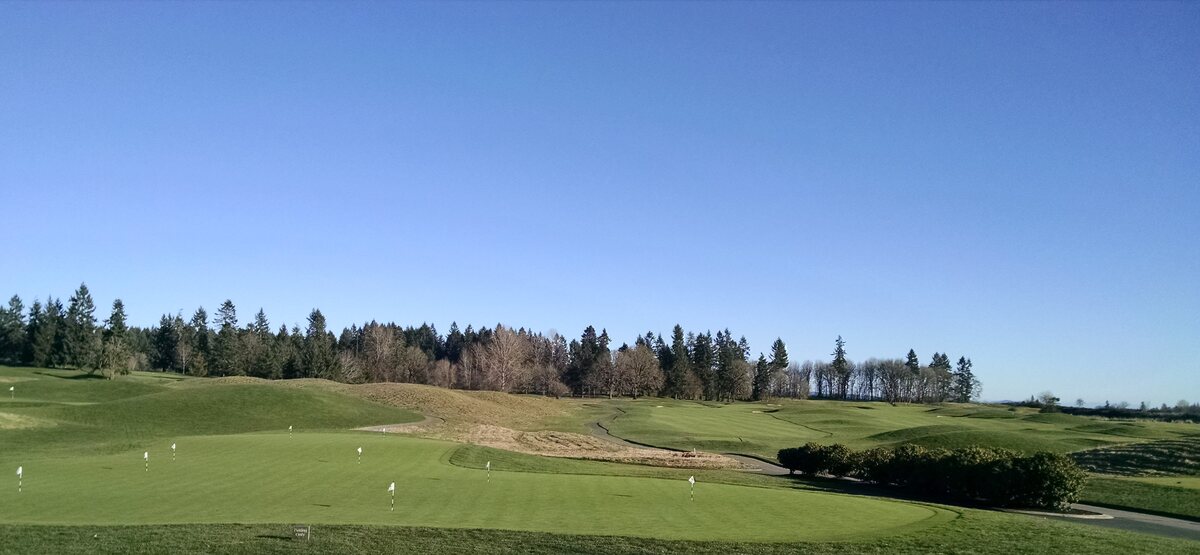
Photo: M.O. Stevens / Aboutmovies, CC BY-SA 4.0, via Wikimedia Commons. Pumpkin Ridge’s Ghost Creek course, not Witch Hollow specifically.
Pumpkin Ridge’s Witch Hollow Course became famous in 1996 when Tiger Woods won his third consecutive U.S. Amateur in a dramatic comeback over Steve Scott. The USGA lists the result as Woods defeating Scott in 38 holes, and Pumpkin Ridge’s own history notes that the win brought national notoriety to Witch Hollow.
Why it belongs: Before the pro wins, the green jackets, and the major records, there was Oregon.
Final Thought
Oregon golf has range.
It has the cliffs and dunes of Bandon. It has the high-desert creativity of Bend. It has the tournament history of Pumpkin Ridge. More than anything, it has holes that feel memorable before anyone even hits a shot.
That is the mark of a great golf destination: the place itself becomes part of the story.
PART 2 OF 3